Winning on prediction markets is about using strategy, research, and probability rather than luck. Successful traders look for mispriced markets, compare prices to real chances of an event happening, and act quickly when new information creates value. By staying patient, managing risk, avoiding emotional decisions, and focusing on long-term opportunities, users can improve their chances of making consistent profits.

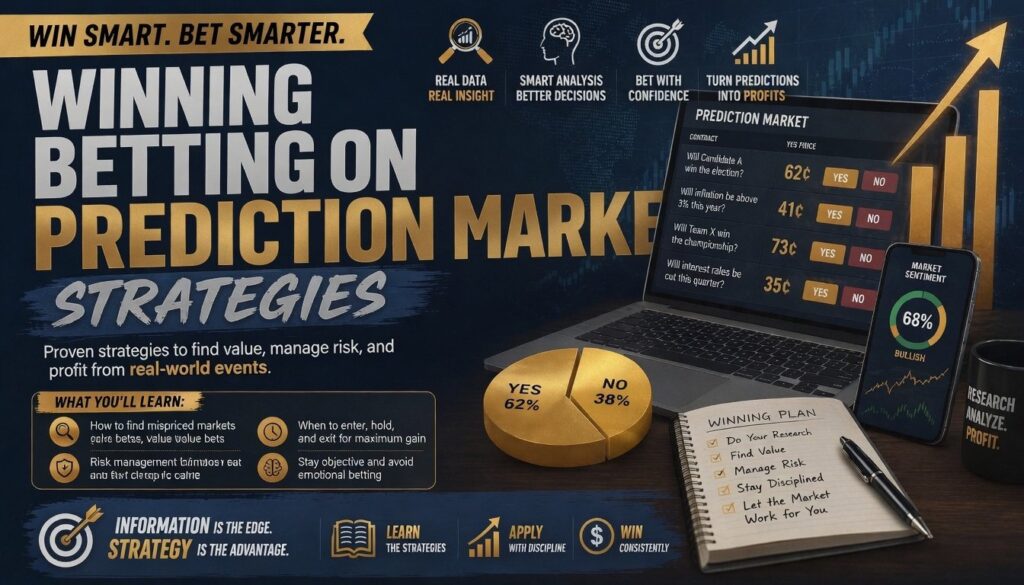
Prediction markets have become one of the most interesting ways to profit from forecasting real-world events. Unlike traditional sports betting or casino games, prediction markets allow users to trade on outcomes such as elections, economic data, entertainment awards, sports results, and major world events. Success in prediction markets is not based on luck alone it comes from information, discipline, and understanding probabilities. The best strategy to win consistently is finding mispriced markets, managing risk, and reacting faster than the crowd.
The first key strategy is understanding probability versus price. In prediction markets, prices usually represent the market’s estimate of the chance something will happen. For example, if a contract trades at 60 cents, the market implies a 60% chance of success. Winning traders compare that market price to their own estimate. If you believe the true chance is 75%, buying at 60 cents may offer strong value. If you think the chance is only 40%, selling or avoiding the contract could be smarter.
Research is one of the biggest advantages in prediction markets. Many casual users rely on headlines or emotion, but skilled traders dig deeper. They examine polling data, economic reports, injury news, insider trends, weather forecasts, historical patterns, and expert analysis depending on the market. Often, markets overreact to dramatic news while ignoring slow-building information. Those who spot the difference can find profitable opportunities.
Another strong strategy is acting early before the crowd adjusts. Prediction markets move quickly after breaking news, but not instantly. If you can interpret information faster than others, you may capture better prices before the market settles. For example, if reliable data suggests a candidate is gaining momentum before media coverage catches up, early buyers may profit as prices rise later.
Patience is another winning edge. Many prediction market users trade too often, chasing every headline or making impulsive moves. Sometimes the best strategy is waiting for a clear edge. If prices are efficient and fairly valued, forcing action can lead to losses. Smart traders stay selective and only enter markets where they believe the odds are meaningfully wrong.
Managing emotions is essential. Markets tied to politics, sports teams, or cultural debates often attract biased traders who bet with their beliefs instead of logic. Successful users stay objective. They focus on probabilities rather than personal opinions or hopes. Emotional trading is one of the easiest ways to lose money.
Timing exits is also important. You do not always need to hold until settlement. If a contract rises significantly after you buy, selling early can lock in profits while reducing risk. Many experienced traders treat markets like investing by taking gains when value changes rather than gambling on final outcomes.
Fees and liquidity should not be ignored. Some markets have low volume or wide spreads, which can reduce profits. Traders should prefer active markets with tighter pricing whenever possible.
In the end, the best strategy for winning on prediction markets is combining research, patience, value-based decisions, and bankroll discipline. No system guarantees profits, but those who think in probabilities, act rationally, and avoid emotional mistakes give themselves the best chance of long-term success. Prediction markets reward information and discipline far more than luck.